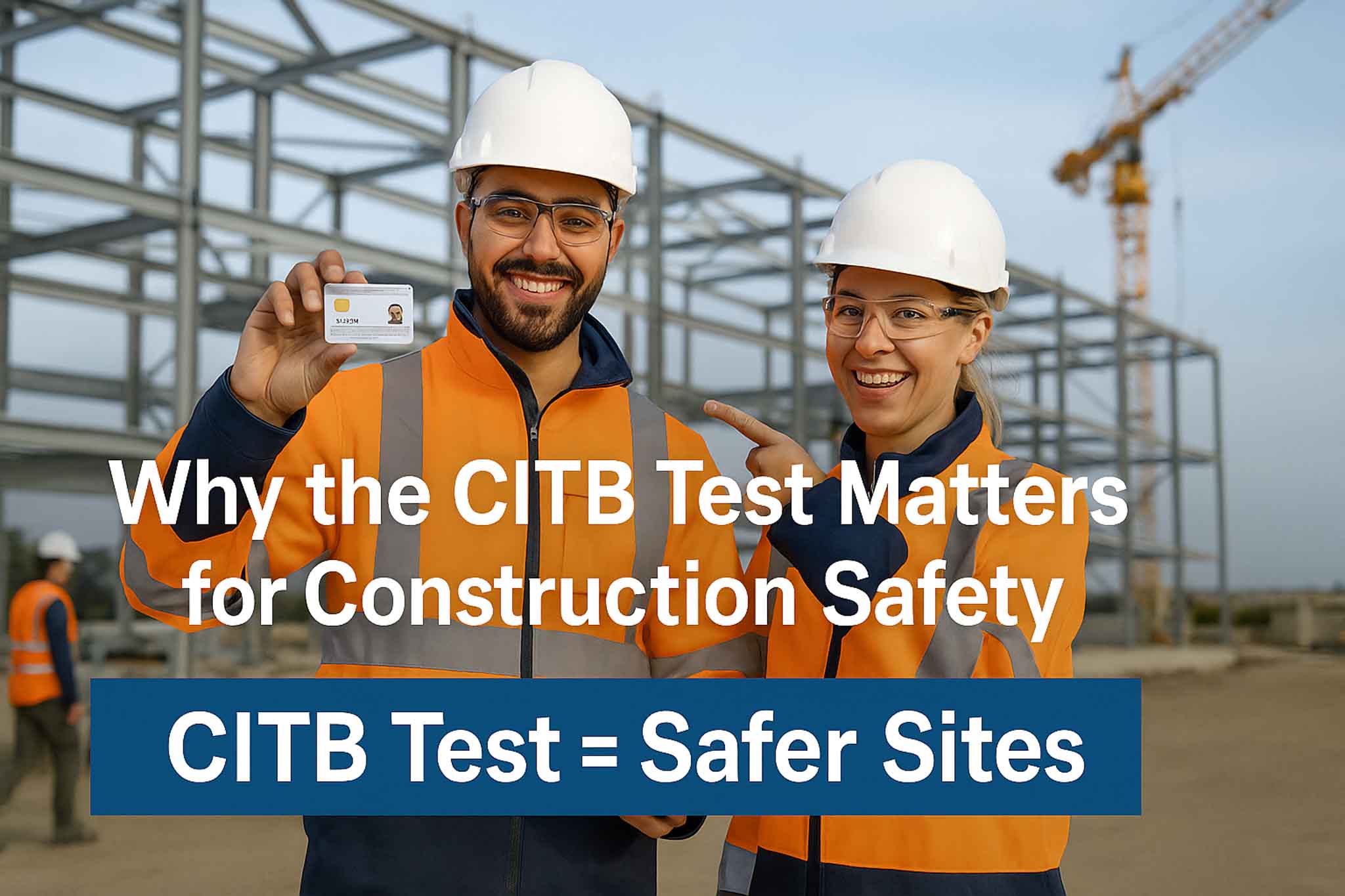
Why the CITB Test Matters for Construction Safety
In the fast-paced and high-risk world of construction, safety isn’t just a box to tick—it’s the backbone of every successful project. That’s where the CITB Health, Safety & Environment (HS&E) test comes into play.
More than just a requirement for obtaining a CSCS card, the CITB test is a crucial mechanism for raising awareness, preventing accidents, and building a culture of safety across UK construction sites. Whether you’re a labourer, site manager, or contractor, understanding why this test matters can make all the difference—for your own safety and everyone around you.
The Role of Safety in UK Construction
The construction industry is one of the most hazardous sectors in the UK. In 2023 alone, 45 construction workers lost their lives, according to the Health and Safety Executive (HSE). Thousands more suffered injuries, many of which were preventable through better safety practices. With such high stakes, safety training and awareness are not luxuries—they are essentials.
That’s where the CITB HS&E test steps in. As a prerequisite for obtaining a Construction Skills Certification Scheme (CSCS) card, it ensures that every worker has a foundational understanding of health, safety, and environmental practices before stepping onto a construction site.
Statistics That Matter
- The introduction of the CSCS card system has contributed to a significant drop in on-site injuries, according to industry reports.
- Over 1.6 million people in the UK construction workforce hold a CSCS card, a testament to the test’s widespread adoption and impact.
- Companies that implement structured safety training programs—like those aligned with CITB standards—experience 50% fewer workplace injuries.
See our full guide to the CITB test process.
Why the CITB Test Matters
The CITB HS&E test isn’t just about passing a multiple-choice exam—it’s about instilling a mindset. When workers take the time to prepare for and pass the test, they’re learning how to identify hazards, respond to emergencies, and adopt safer work practices that save lives.
How the CITB Test Enhances Safety Culture
- Risk Recognition: Workers are trained to identify and avoid common hazards like falling objects, electrical faults, and trip risks.
- Communication Protocols: The test highlights the importance of reporting issues promptly, fostering accountability on-site.
- Environmental Awareness: It promotes environmentally responsible practices, reducing waste and pollution.
This widespread baseline of knowledge means that teams can operate with greater trust and fewer incidents—a key advantage for both workers and employers.
Get started with your CITB test booking today.
Expert Insight: What Industry Leaders Say
According to the Construction Leadership Council, one of the key pillars of a modern and safe construction workforce is standardised, up-to-date safety training. They point to the CSCS card and CITB testing as a cornerstone in reducing risk.
“The CITB test is not just an entry-level requirement—it’s the gateway to a safer, more professional industry,” says Mark Temple, a senior site manager in Manchester. “It reinforces that we all have a part to play in preventing accidents.”
For companies, having CSCS-certified workers is often a precondition for tendering on major contracts, especially with local authorities and large private developers.
Pros and Cons of Certification (Spoiler: There Aren’t Many Cons)
Pros
- Improved site safety and fewer accidents
- Access to more job opportunities and higher pay brackets
- Industry-wide recognition and respect
- Boosted confidence and professionalism
Cons
- Initial time investment for test preparation
- Renewal every five years (though this ensures knowledge stays current)
Key Takeaways
- The CITB HS&E test is essential for UK construction safety, not just for compliance but for long-term wellbeing.
- Holding a CSCS card demonstrates a worker’s commitment to professionalism and safety.
- Test-prep and certification build the knowledge that helps reduce accidents and fatalities across the industry.
Want to know more about preparing for your test or renewing your CSCS card? Visit our CITB Test Resources hub.
Conclusion
Safety on a construction site starts with knowledge—and that starts with the CITB test. It’s not just about ticking off a requirement. It’s about being equipped to look out for your team, your site, and yourself. If you haven’t yet taken your test or your certification is due for renewal, now is the time. Explore our site for step-by-step guidance and take that next step toward a safer, stronger future in construction.
How to book your CITB test in Liverpool today
1. Complete booking form
Free online booking form available in various languages, covering every exam at UK CITB centres, with secure payment processing through our dedicated portal.
2. Get Your appointment
We will compare your preferred dates with our available appointments to find the best match for you. If you cannot attend on the scheduled day, rescheduling is free
3. Attend the Exam
Attend your selected centre at your scheduled date and time to complete your CITB exam. Once finished, you will receive guidance on applying for your CSCS card.
Types of CSCS Cards
What card do you need?
Not sure which card you need? Most often, it’s the green general operative card. However, your job, trade, or qualifications might require a different one. If you already know your card, book your test now; if not, choose one below for details.
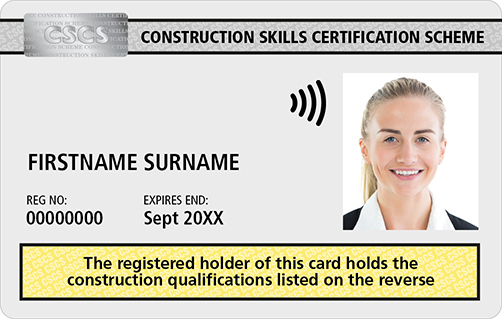
Academically Qualified Person
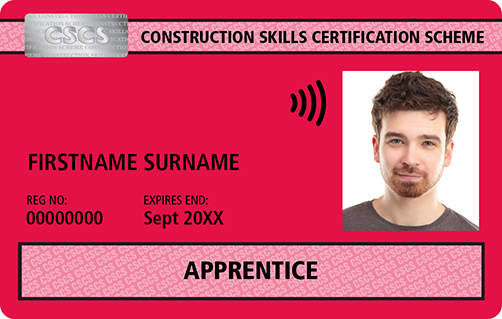
Apprentice
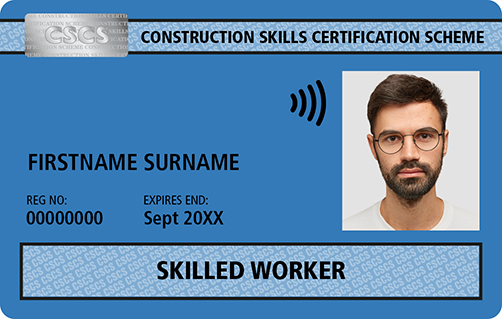
Blue Skilled Worker
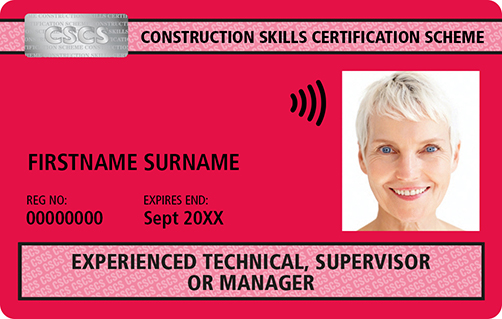
Experienced Technical, Supervisor or Manager
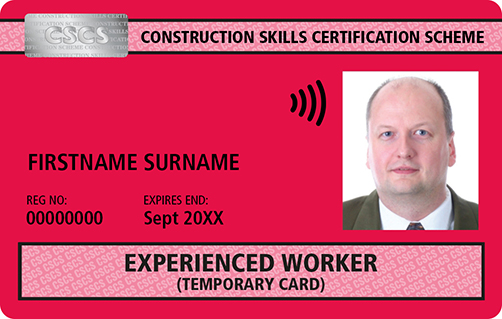
Experienced Worker
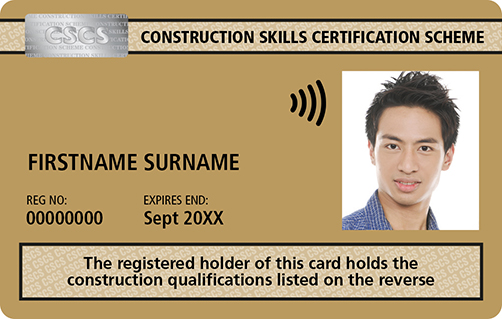
Gold Skilled Worker
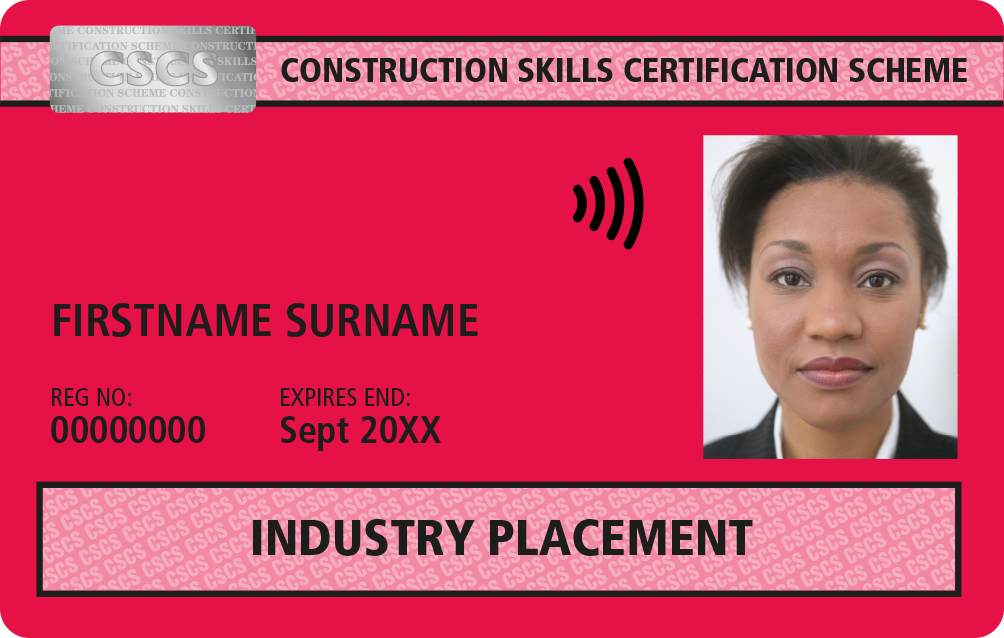
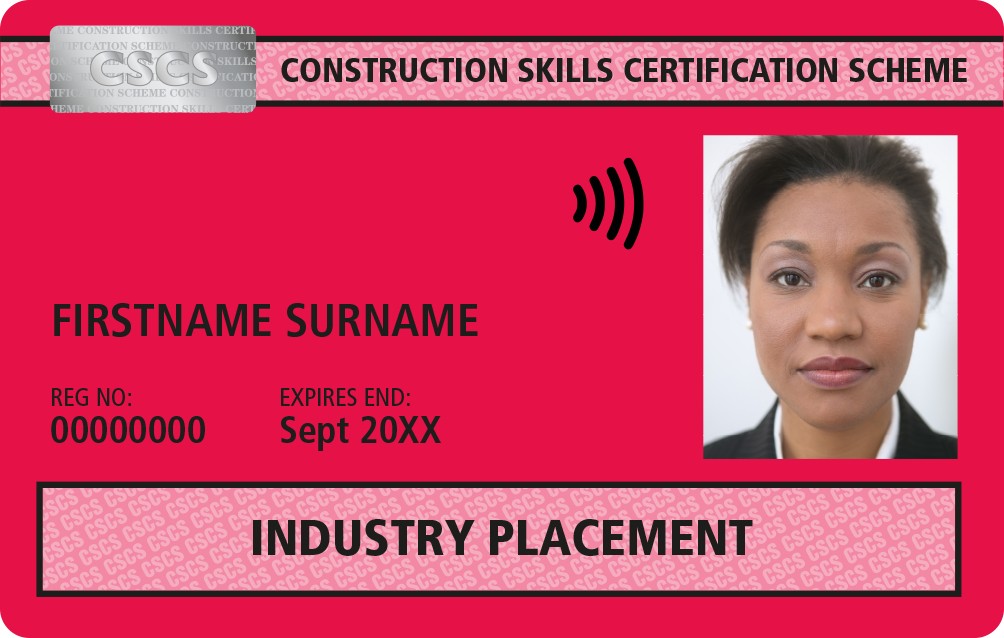
Industry Placement
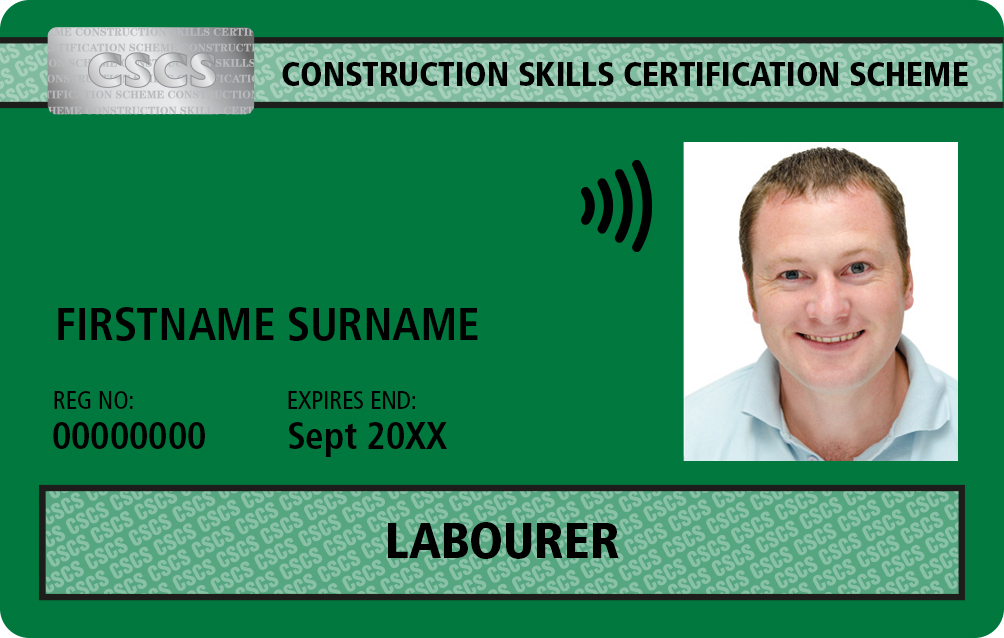
Labourer
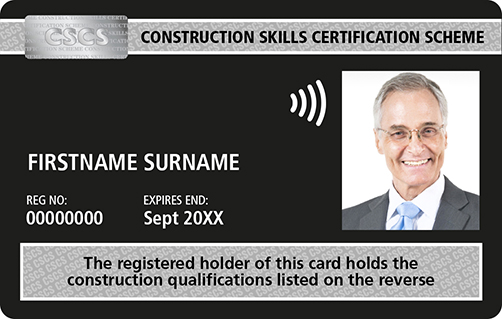
Manager
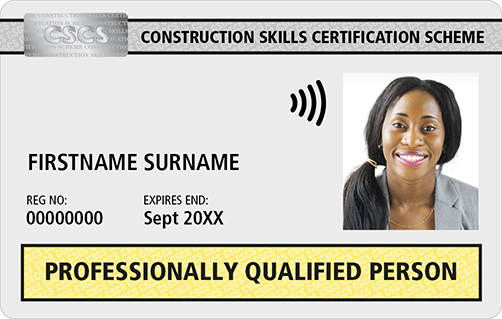
Professionally Qualified Person
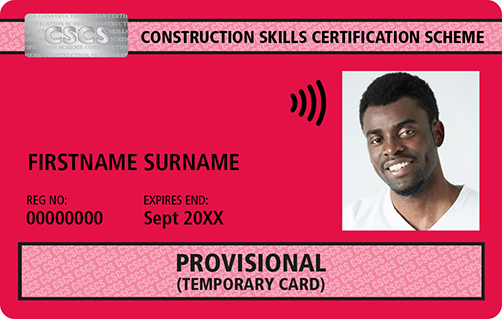
Provisional (temporary only)
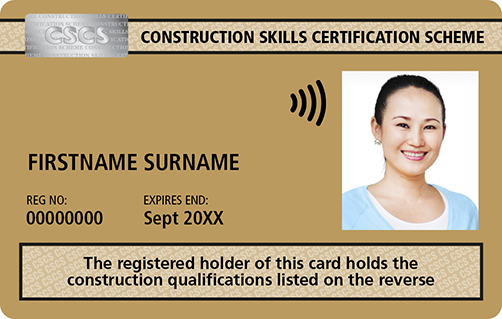
Supervisory
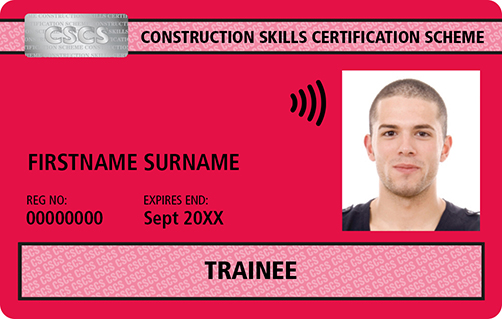
Trainee